Voice Types Soprano to bass, and everything between
Each guide covers one voice type: its typical range in notes and Hz, how it sounds, singers who share it, and a quick check to see whether it's yours.
- 6 main voice types
- Ranges in notes and Hz
- Quick check on every page
Voice types
Explore the voice types
Start with the one you suspect, or take the full test and let your range decide.
The seven voice types
7- SopranoSoprano range, notes and a quick check.Open
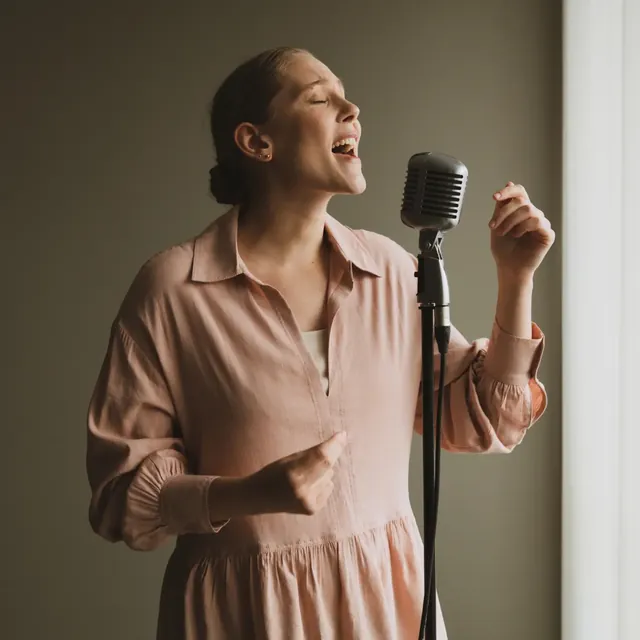
- Mezzo-sopranoMezzo-soprano range and how to tell if you are one.Open

- AltoAlto and contralto range and choir parts.Open

- CountertenorMale voices singing in the alto range.Open

- TenorTenor range, high notes and a quick check.Open

- BaritoneThe most common male voice, explained.Open

- BassBass range and how low a bass can go.Open

FAQ
Voice type questions
Short answers about how voices are classified.
Still have a question?
The quickest way to find out is to try it yourself. It only takes a minute.
Take the voice type testChoirs use four parts: soprano, alto, tenor and bass (SATB). Classical singing adds mezzo-soprano between soprano and alto, and baritone between tenor and bass, plus rarer types such as contralto and countertenor.
Baritone is the most common adult male voice and mezzo-soprano the most common adult female voice. True basses and very high sopranos are much rarer.
No. Range is the starting point, but tessitura (where your voice is comfortable), timbre and the notes where your voice changes register all matter. Two singers with the same range can be different voice types.
Find out which one you are
Sing from your lowest note to your highest and see how your range lines up with every voice type.
Take the voice type test