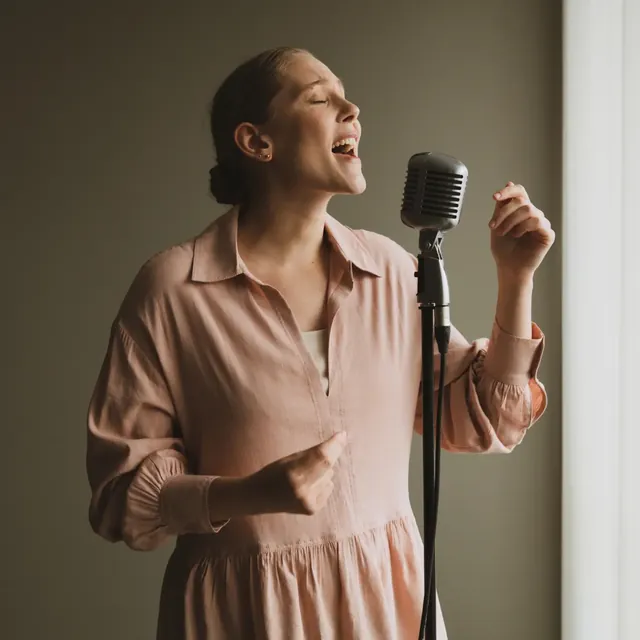
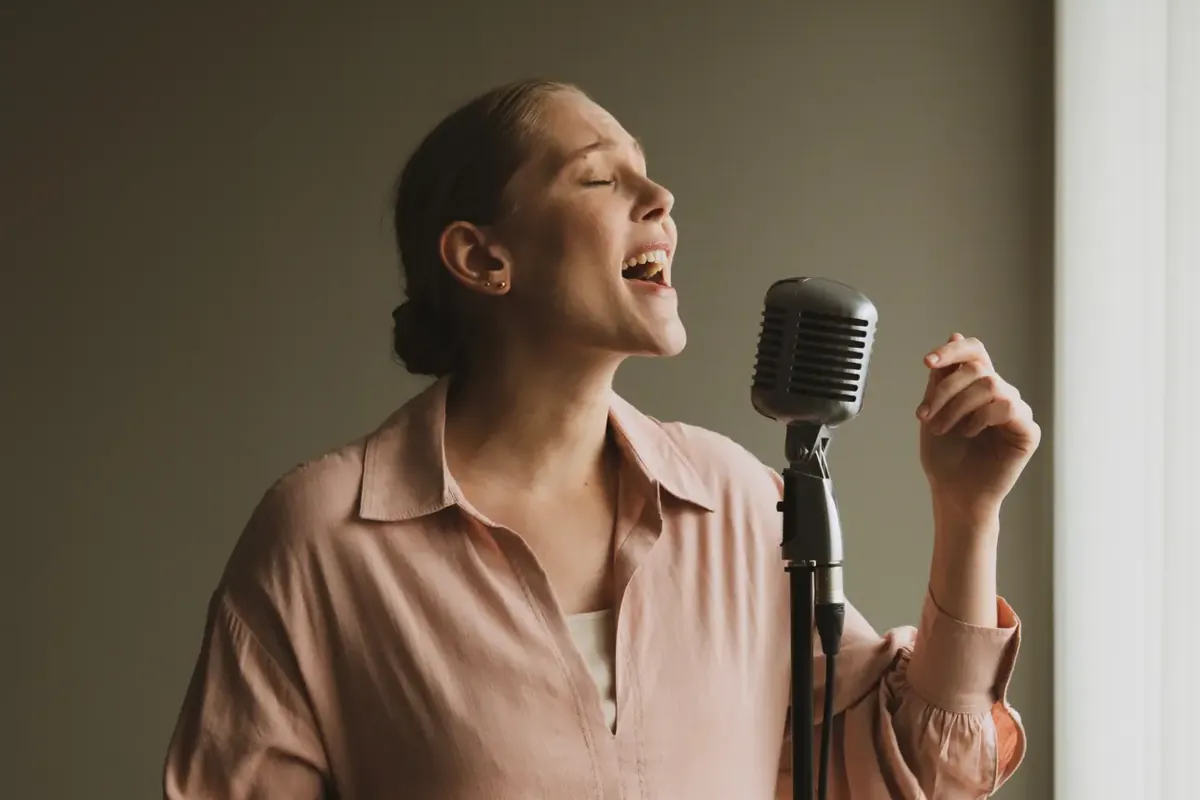
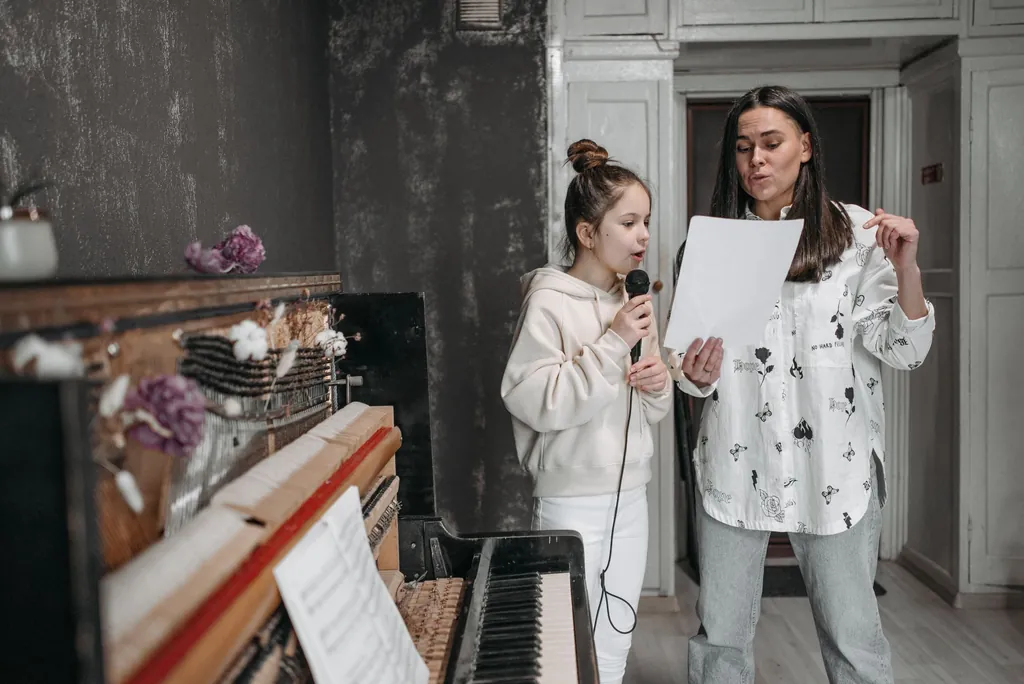
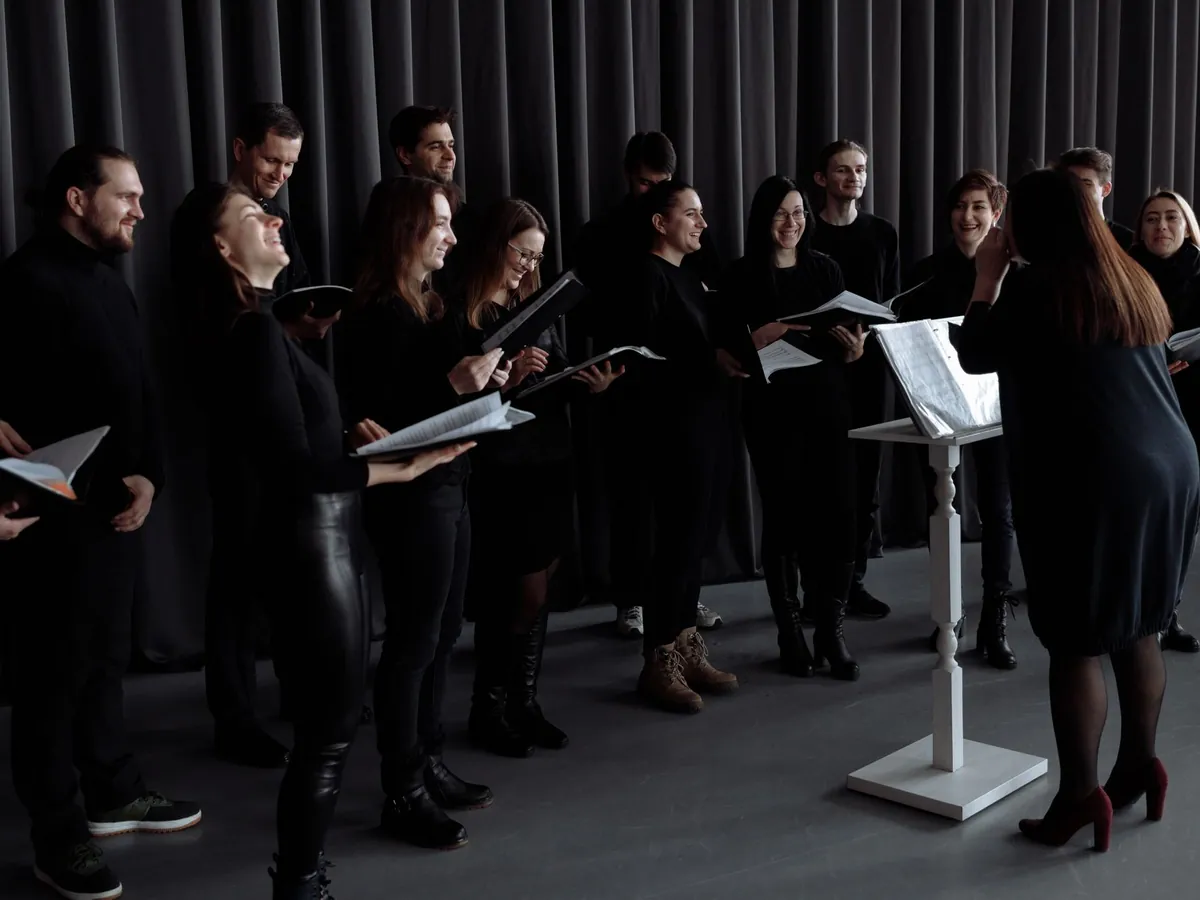
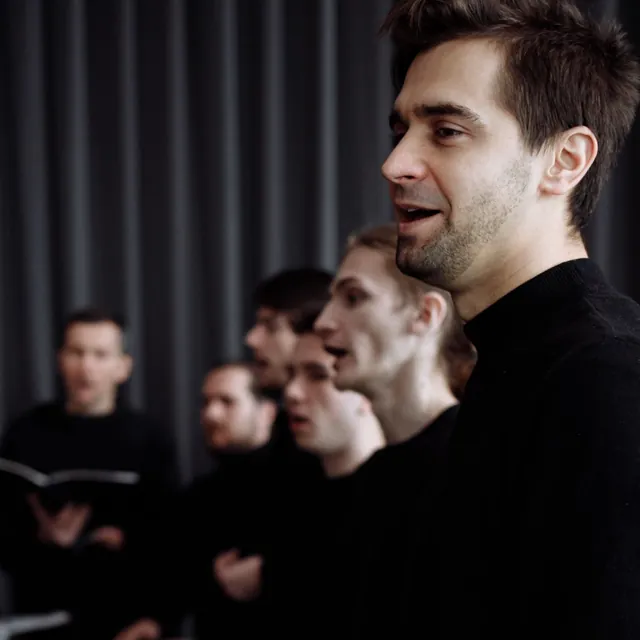
Choir directors usually place singers with a short voice check: a few scales, a high note, a low note, sometimes a line of a hymn. They listen for range, but also for tone and for how easily you hold a harmony line against the melody. The final call often depends on balance; a choir with 30 sopranos and 8 altos will ask its mezzos to sing alto.
That means your choir part and your voice type are not always the same thing. Plenty of mezzo-sopranos sing alto for years, and some altos discover a free top later and move up. If your part feels like a constant strain, ask to try the other line for a few rehearsals. A part that suits you should only feel tiring at its extremes.
Teens should expect to move. Girls' voices deepen by a few semitones and gain color through the teenage years, so a 13-year-old soprano may be a comfortable alto at 18. The reverse happens too, as head voice develops and the top gets easier.