Skip to content

Bass Vocal Range How Low Can a Bass Go?

See the notes a bass sings, from E2 up to E4, how low the deepest basses reach and how the voice differs from a baritone. Then sing low to high to see your bass match. Free, no sign-up, in your browser.

  • E2–E4, 82–330 Hz
  • Shows your bass match
  • Audio stays on your device
Bass range check
Loading the tool…

Quick reference

Bass singer range: notes and frequencies

The typical bass vocal range in notes and Hz, from the comfortable middle down to the lowest notes composers actually write.

Part of the voiceNotesFrequencyWhy it matters
Typical bass rangeE2 – E482 – 330 HzThe classical reference range
Comfortable middle (tessitura)about G2 – C498 – 262 HzWhere bass lines mostly sit
Upper break (passaggio)about Bb3 – C4233 – 262 HzWhere the voice has to shift gears
Choir bass part (SATB)about F2 – D487 – 294 HzWhat arrangers usually write
Basso profondo low notesC2 – D265 – 73 HzDeep opera roles reach down here
Lowest notes in choral musicBb1about 58 HzRachmaninoff's All-Night Vigil

Notes use scientific pitch notation: C4 is middle C and A4 is 440 Hz. Many untrained basses can hold F2 or G2 at first; a clear E2 usually comes with practice and maturity.

How it works

Am I a bass? Check in three steps

Low notes vanish easily with a cold voice or a weak signal. These steps give your bottom notes a fair chance.

  1. Step 1

    Warm up gently and move closer

    Hum or lip-trill for two or three minutes, sliding down from your speaking pitch. Then sit a little closer to your phone or laptop than usual: low notes are quieter, and a stronger signal helps the test lock onto them.

  2. Step 2

    Start on your lowest steady note

    Press Start and begin on the lowest "ah" you can hold with a clear tone for about 2 seconds, then step up slowly to your top. Use your real voice, not vocal fry: a creaky growl rarely holds a steady pitch, so it won't count.

  3. Step 3

    Read your bass match

    The result shows what share of the bass range (E2–E4) you cover and your closest voice type. Choose Male under Compare as to rank only the male types. A steady, resonant E2 or F2 is the strongest sign of a true bass.

Highlights

Three signs you are a bass

True basses are rare, and many deep-voiced men turn out to be baritones. These are the clues that separate them.

Your low notes have real tone

A bass can sing E2 or F2 with a clear, resonant pitch, not just a growl or a whisper. If your lowest notes stay steady and loud enough to carry in a room, instead of fading into breath or fry, that is the clearest bass signal.

Your break comes early

Slide up on "ah" and notice where the voice wants to lighten. Basses usually feel it around Bb3 to C4, close to middle C. That is a step or two below a baritone's break near D4, and well below a tenor's near F4 to G4.

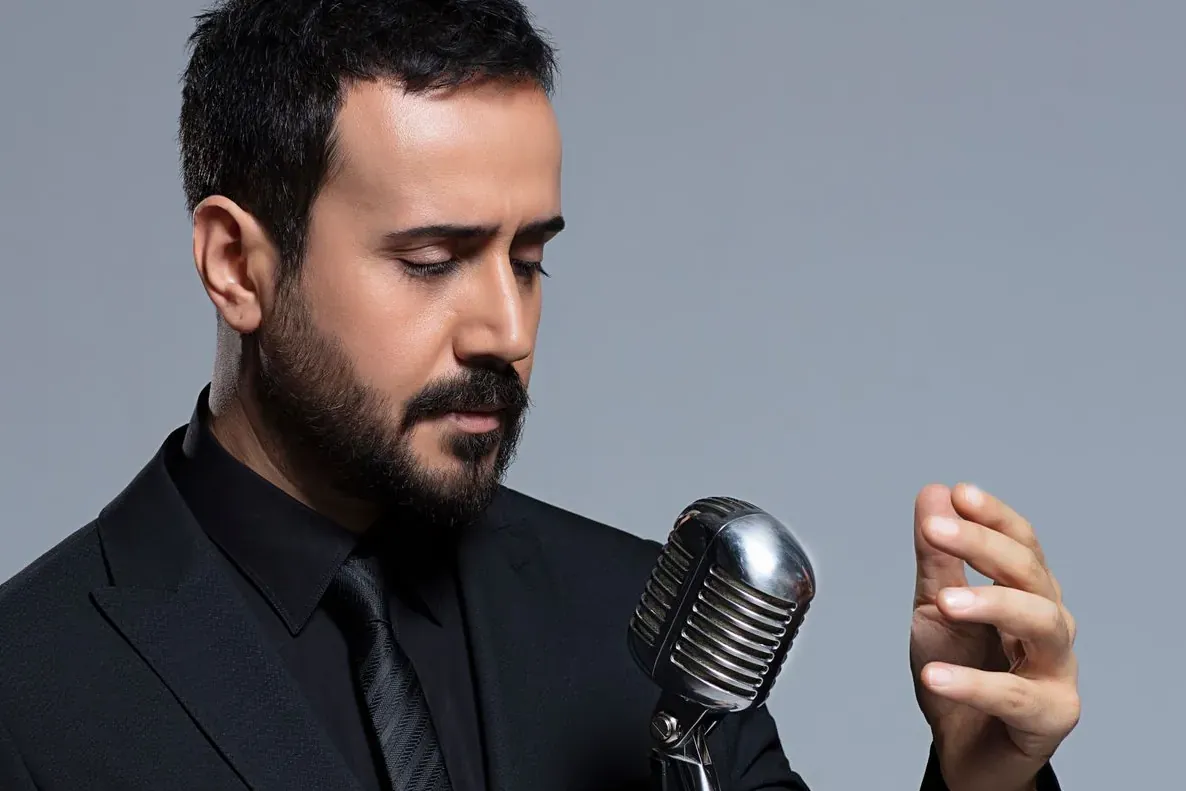
Bearded man in a black suit holding a vintage microphone stand

A dark, heavy, resonant color

Bass voices sound dark and weighty even in the middle of the range: the sound that anchors a choir or a gospel quartet. A low speaking voice helps, but it does not make you a bass on its own; measure it with the deep voice test if you are curious.

Quick reference

Types of bass: profondo, cantante, buffo and bass-baritone

Opera divides basses by color, weight and the kind of role they play. Choir basses rarely need a label, but it helps when you choose songs.

Bass typeSoundKnown forClassic roles
Basso profondoThe darkest, deepest bassHeld notes down to D2 or C2Sarastro, Osmin (Mozart)
Basso cantanteSmooth, lyrical, singing bassLong legato melodiesKing Philip II (Don Carlo)
Basso buffoNimble, comic bassFast patter and actingDr. Bartolo, Don Pasquale
Dramatic bassHuge, dark, menacingPower over a big orchestraHagen (Götterdämmerung)
Bass-baritoneBass depth with a baritone topSinging up to F4 – G4Wotan, the Dutchman (Wagner)

Russian Orthodox choirs add one more kind, the oktavist, who sings an octave below the normal bass line. The labels overlap, and singers often fit more than one.

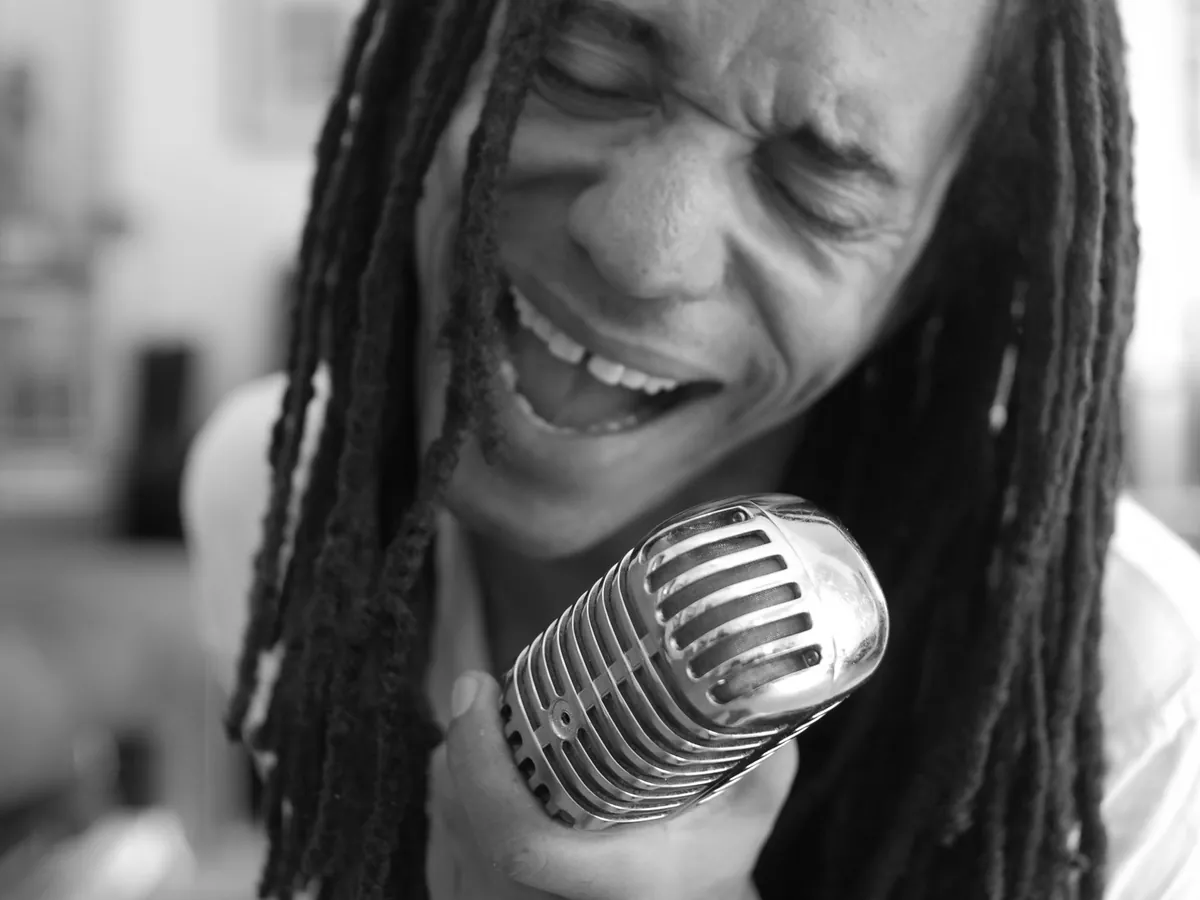
Man with dreadlocks singing into a vintage microphone, in black and white

How low can a bass go? The lowest bass notes

The standard bass range bottoms out around E2, about 82 Hz, and plenty of composers stop there. Basso profondo roles go further: Osmin in Mozart's The Abduction from the Seraglio holds a long low D2 (73 Hz) near the end of his aria "Ha, wie will ich triumphieren", and Sarastro in The Magic Flute dips to about F2.

Russian choral music goes deeper still. In the fifth movement of Rachmaninoff's All-Night Vigil, the basses descend a slow scale to Bb1, about 58 Hz, a note only some singers can sound clearly. Recordings of even lower sounds exist, mostly in vocal fry, but they are stunts rather than usable singing range.

For an untrained bass, a steady F2 or E2 is an excellent bottom, and a clear D2 is rare. Bass voices also tend to mature late, often deepening and gaining power into a singer's thirties, so a young singer who reaches only G2 today may find more later. To measure only your bottom note, use the lowest note test.

Famous basses, roles and songs

In opera, basses play kings, priests, fathers and devils, plus the comic old men of buffo roles. Feodor Chaliapin made Boris Godunov a legend, and Samuel Ramey was celebrated for devilish roles such as Boito's Mefistofele. Paul Robeson, a bass-baritone, turned "Ol' Man River" from Show Boat into one of the best-known low songs ever written.

In popular music true basses are rare, and most famous "bass" singers are technically bass-baritones; Barry White and Johnny Cash are the classic examples of that deep, rumbling sound. Avi Kaplan, the original bass of Pentatonix, and Richard Sterban of the Oak Ridge Boys, whose low "oom papa mow mow" carries "Elvira", show how much a real bass line adds to a group.

  • Classic low songs: "Ol' Man River" (Show Boat), "Sixteen Tons" (Tennessee Ernie Ford), "Folsom Prison Blues" (Johnny Cash).
  • Soul: "Can't Get Enough of Your Love, Babe" (Barry White).
  • Opera: "In diesen heil'gen Hallen" (Sarastro), "Ella giammai m'amò" (King Philip II).

How to train a bass voice

Bass training is mostly about keeping the low notes free. Pressing the larynx down or squeezing to sound deeper makes the tone muffled and tires the voice quickly. Instead, sing low notes with steady air and a relaxed, slightly yawning throat, and let them be a little quieter than you expect. Resonance, not force, is what makes a bass carry.

Do not neglect the top. A bass who can sing a free, easy D4 sounds better everywhere, and choir parts often climb that high. Keep sessions to 15 to 20 minutes, rest when your voice feels rough and drink water through the day. If you want a fuller speaking voice too, see how to make your voice deeper.

  • Descending sirens on "ng" or "oo": slide gently from your middle voice to your lowest note, keeping the tone buzzy rather than growly.
  • Downward five-note scales: start around A3 and move down a semitone at a time toward E2 or F2, stopping before the sound turns to fry.
  • Lip trills through the break: glide from G3 up to D4 and back so the notes around middle C stay light instead of heavy or shouty.

Last updated October 21, 2026

Use cases

Songs and settings that suit a bass

A real bass is always in demand. These are the places your voice is most welcome.

Choir bass section

The SATB bass line runs about F2 to D4 and is the foundation the whole choir tunes to. In men's TTBB arrangements, true basses take Bass 2.

A cappella and gospel

Vocal groups, barbershop quartets and gospel quartets build their sound on the bass. A steady, in-tune low line is often valued more than flashy solos.

Opera and oratorio

Bass solos in Handel's Messiah, Mozart's operas and Verdi's Requiem reward a dark, even sound far more than high notes do.

Karaoke key picks

Most pop songs sit high for a bass. Lower them four or five semitones, or pick songs by deep-voiced country, soul and crooner singers.

FAQ

Bass vocal range questions

Quick answers about bass notes, the lowest notes basses sing and how to tell if you are one.

Still have a question?

The quickest way to find out is to try it yourself. It only takes a minute.

The bass vocal range is roughly E2 to E4, about 82 to 330 Hz, the lowest of the standard voice types. Bass lines mostly sit between about G2 and C4, and the voice shifts gears near Bb3 to C4. Basso profondo singers go lower, to D2 or even C2, while many untrained basses can hold F2 or G2 at first.

Find out if you are a true bass

Sing one slow slide from your lowest steady note to your highest and get your bass match in about a minute. Free, no sign-up, and your audio stays on your device.